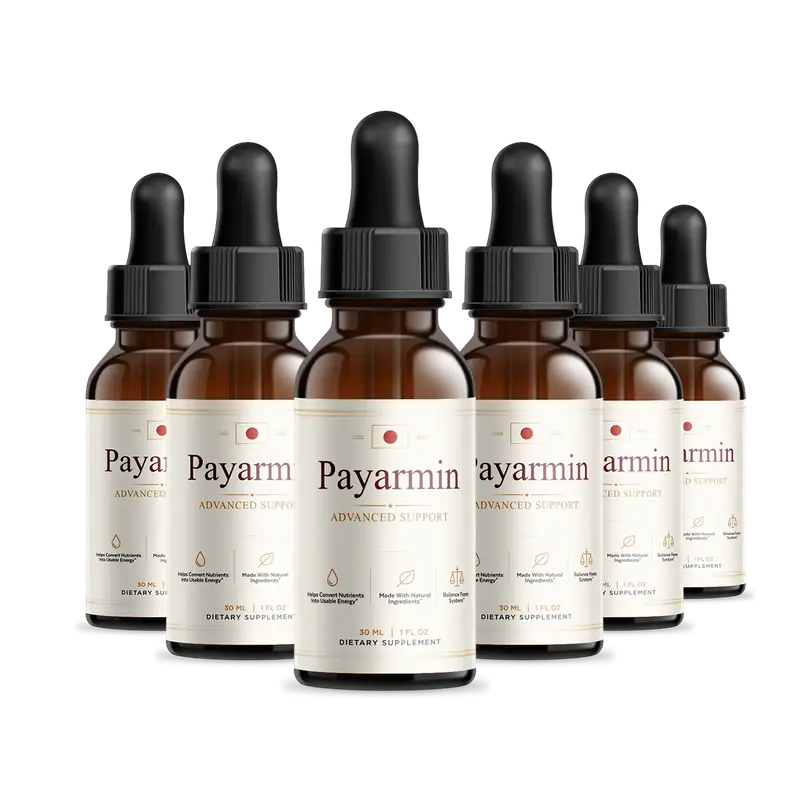
Latest Articles From the Payarmin Blog
The 10-Minute Walk After Meals: Small Habit, Big Payoff
If you could add just one habit to support steadier energy, a short walk after eating would be near the top of the list. It's free, it needs no equipment and it takes less time than scrolling through your phone after dinner.
Why Walking After Meals Works
After you eat, glucose from your meal enters the bloodstream. Working muscles are hungry for fuel, and when you move, they pull glucose out of the blood to use it. That means the post-meal rise can be gentler and shorter. The timing matters: a walk soon after eating catches glucose right as it peaks.
How to Make It Happen
- Start small. Ten minutes at an easy pace is plenty.
- Pick your biggest meal. For most people that's dinner.
- Make it social. Walk with a partner, a friend or the dog.
- Have a bad-weather backup. Walk laps around the house, climb the stairs or do light chores.
The Bonus Benefits
Post-meal walks also support digestion, ease that heavy "food coma" feeling and give your mind a break. Many people find they sleep better, too. Pair this habit with your daily Payarmin dropper and you're supporting your body from two directions at once.
How to Build a Plate That Keeps You Full and Focused
You don't need a complicated diet to support steadier energy. You need a plate that digests at a comfortable pace. The good news is that it's easy to remember.
The Simple Plate Method
- Half: colorful non-starchy vegetables like leafy greens, broccoli, peppers, green beans or zucchini.
- One quarter: lean protein such as chicken, fish, eggs, turkey, tofu, lentils or beans.
- One quarter: whole-food carbohydrates like brown rice, oats, quinoa, sweet potatoes or whole-grain bread.
- A thumb of healthy fat: olive oil, avocado, nuts or seeds.
Why It Works
Fiber and protein slow down digestion, so glucose enters your bloodstream gradually instead of all at once. Healthy fats add satisfaction. The result is energy that lasts for hours and fewer between-meal cravings.
Easy Swaps That Add Up
- White bread → whole-grain or sourdough bread
- Sugary cereal → oatmeal with nuts and berries
- Soda → sparkling water with lemon
- Chips → a handful of almonds
- Flavored yogurt → plain Greek yogurt with fruit
Order matters too. Starting your meal with vegetables and protein, then eating the carbs, is a simple trick that may help soften the post-meal rise.
Stress and Blood Sugar: The Connection Most People Miss
Most conversations about blood sugar focus on food. But there's another factor that can push glucose up even when you haven't eaten a thing: stress.
How Stress Raises Blood Sugar
When you face a stressful situation, your body releases hormones like cortisol and adrenaline. One of their jobs is to make fuel available fast, so they signal the liver to release stored glucose. That's useful for escaping danger, but daily stress from work, traffic or worry can keep this system switched on far longer than it was designed for.
The Craving Connection
Stress also nudges appetite toward comfort foods, usually sweet or salty. That's why tough days so often end on the couch with a snack.
Simple Ways to Lower Daily Stress
- Breathe slowly. Try breathing in for 4 counts and out for 6 counts, for two minutes.
- Move. A walk is one of the best natural stress relievers.
- Get outside. Time in nature and daylight helps reset your mood.
- Protect your mornings. Avoid checking email the moment you wake up.
- Stay connected. A conversation with a friend is surprisingly powerful.
Payarmin includes adaptogens such as maca root and eleuthero root, plus GABA and L-tryptophan, to support a balanced stress response as part of its overall approach.
Short Sleep, Big Cravings: Why Rest Matters for Energy
If you've ever noticed that you snack more after a bad night's sleep, there's a reason. Sleep shapes your appetite, your energy and how your body handles glucose the next day.
What Happens After a Short Night
When you're short on sleep, levels of ghrelin, the hormone that signals hunger, tend to rise, while leptin, which signals fullness, tends to fall. You feel hungrier and less satisfied. Tired brains also seek quick energy, which often means sugar and refined carbs.
Habits for Better Sleep
- Keep a consistent schedule, even on weekends.
- Get morning light to set your body clock.
- Cut caffeine by early afternoon.
- Make your bedroom cool, dark and quiet.
- Power down screens 30 to 60 minutes before bed.
- Avoid heavy late-night meals.
A Better Night Means a Steadier Day
Good sleep and steady blood sugar support each other. When you sleep well, cravings are easier to manage and energy is more even. Take your Payarmin dropper in the morning or early afternoon, especially if you're sensitive to caffeine, since green tea and guarana contain small natural amounts.
Combine these habits with daily Payarmin support.
Buy Payarmin Now